Family and individual sleep health benefits from considering body support and material choices. In the Body category, emphasis is placed on alignment, pressure distribution, and temperature regulation to support varying sleep positions. Understanding how different bedding components interact helps clarify how pillows, sheets, and mattresses contribute to overall comfort and spinal neutrality.
Key features to evaluate include fill type, firmness levels, and cover materials. Organic mattresses and latex alternatives are common in this category for their durability, responsiveness, and hypoallergenic properties. Users often compare how firmness interacts with body weight to maintain neutral spine alignment from shoulders to hips.
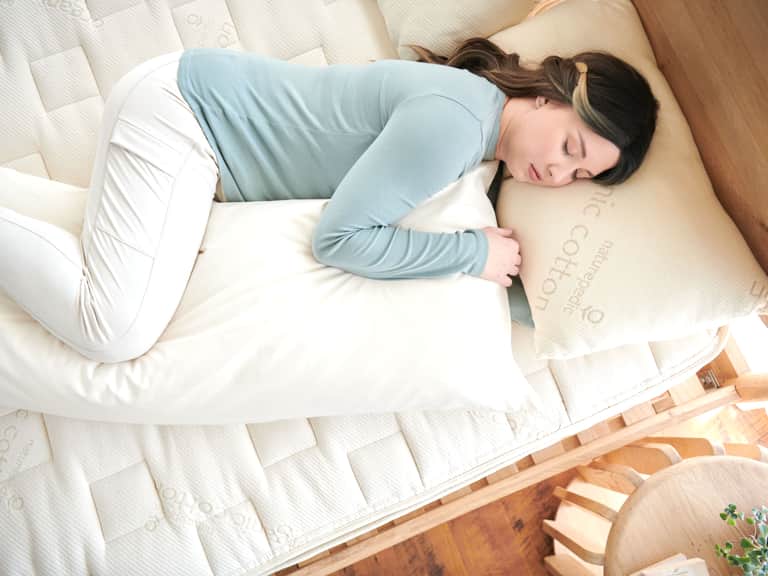
The Naturepedic Body Pillow exemplifies targeted support for the torso and hips, with contouring shapes that reduce motion transfer and provide steady alignment. Such a pillow typically integrates supportive cores with breathable covers, promoting a cool, stable sleep surface that works in conjunction with compatible sheets and pillowcases.
Sheet materials and weave patterns influence comfort, temperature management, and tactile feel. Percale and sateen weaves offer distinct surface textures, while organic cotton and bamboo blends can enhance moisture wicking. Pairing breathable sheets with an appropriate latex or innerspring system can optimize pressure relief and sleep quality.
Educational considerations for the Body category include evaluating durability, washability, and allergy considerations. Understanding how bedding components like the Naturepedic Body Pillow interact with mattresses and pillow types—along with a focus on eco-friendly materials such as organic latex—supports informed decisions about long-term comfort and health benefits.
 Bedding