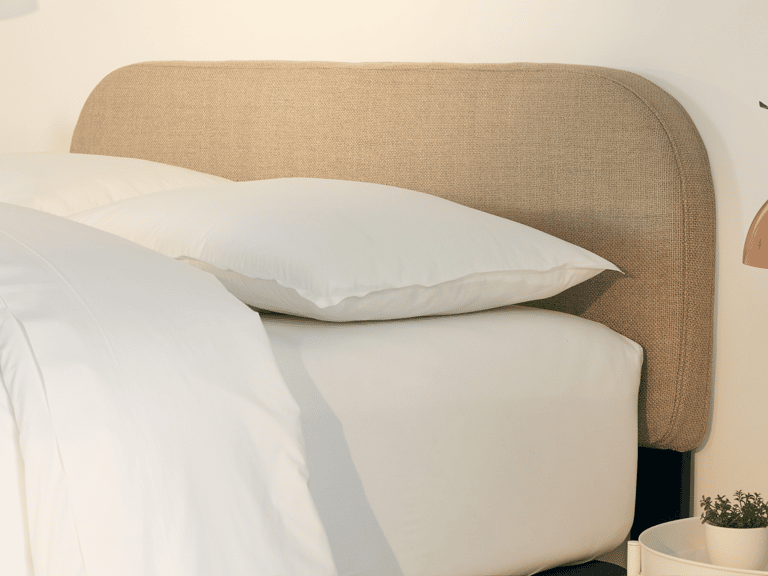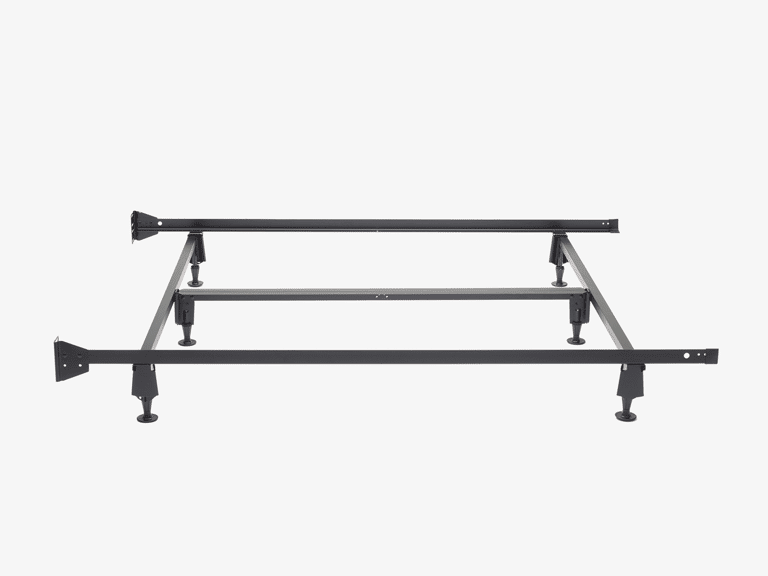
Metal Bed Frame
Durable, eco-friendly steel bed frame with tool-free setup that pairs perfectly with Casper foundations and mattresses, delivering sturdy support and effortless assembly for a simple, reliable, sleep-ready bedroom.
From the soft glow of night-friendly lighting to the exact height of your bed, small, intentional tweaks can transform a space from a generic bedroom into a sanctuary of rest. This editorial guide blends evidence-informed sleep strategies with a practical, borrow-it-and-use-it approach—what we’ll call taking sleep-wellness on loan to your life. We’ll walk you through layout, lighting, and temperature in a way that’s accessible, actionable, and refreshingly non-salesy, with real-world tips you can implement this weekend.
Good sleep starts with a calm, dark, and comfortable environment. The first step is a candid assessment: where does your current sleep space fail to support rest? Common disruption points include harsh glare from screens or streetlights, excessive noise, inconsistent humidity, and a layout that forces you to crawl over the bed to reach a nightstand. The goal is to identify two to three critical levers you can address in one weekend, without overhauling your entire room.
In the spirit of Direction A for loanerbed.com, think of these changes as borrowable, reusable tactics. They’re not about buying everything new; they’re about applying practical strategies that maximize sleep quality with materials and setups you already own or can source affordably.
A sleep-friendly layout prioritizes ease of movement, optimal posture, and a sense of spaciousness. Start with bed placement: avoid flush walls behind the headboard if you tend to roll toward the edge at night. Allow at least 24 inches of clearance around the bed for easy access to nightstands, doors, and a chair or desk for wind-down routines. Consider the bed height in relation to your own metrics: a common target is a height that lets your feet rest flat on the floor with your knees at roughly a 90-degree angle when seated on the bed edge—this supports easier transitions between sitting and lying down.
Practical borrowable tips include: choose a minimalist bed frame that offers solid support without adding bulk; ensure a stable foundation that doesn’t squeak or shift; and select bedside surfaces that are easy to reach from a comfortable sleeping position. If you use an adjustable base, keep the layout flexible enough to allow full range of motion without obstruction.
A featured product from our curated selection is the Metal Bed Frame, a Casper partnership that delivers sturdy, recycled-steel support with tool-free assembly. It pairs with Casper foundations and mattresses for a clean, durable sleep setup—an excellent backbone for a sleep-optimizing bedroom. While not a requirement, this frame embodies the principle of reliable, uncluttered structure that underpins better sleep.
Metal Bed Frame — Casper
This frame is built from 100% recycled steel and designed for simple, tool-free assembly. It provides durable, dependable support in a minimal form factor, aligning with a calm, uncluttered sleep space.
Light governs our circadian rhythm. In bedtime hours, the aim is to minimize blue-rich light and create a warm, dim atmosphere that signals wind-down. Start with layered lighting: a dimmable main light for pre-bed routines, a nightstand lamp for reading with a warm color temperature (2700–3000K), and blackout options for the windows to eliminate early-morning glare. A practical approach is to use warm bulbs and to place light sources behind you rather than directly in your line of sight during sleep.
A borrowable trick is to employ soft, ambient light that you can switch on without getting out of bed—think a low-glow option attached to a headboard or a plug-in lamp you can operate from your side of the bed. Blackout curtains or a blackout roller shade are not merely for “sleeping in”; they are essential for maintaining consistent darkness, particularly in urban environments with streetlight intrusion.
Temperature is a powerful but often overlooked sleep regulator. A cooler, comfortable sleeping environment supports deeper, less restless sleep. The ideal bedroom temperature tends to be between 60 and 67 degrees Fahrenheit (about 15.5 to 19.5 Celsius), but personal comfort matters more than a fixed range. Humidity should be steady—too dry and you wake up with a dry throat; too humid and you might feel muggy and overheated. A simple humidity gauge and a fan or air purifier with a gentle setting can help maintain a steady climate.
In this space, you can borrow a few gear-friendly ideas: use breathable bedding and moisture-wicking sheets, keep a window slightly ajar if weather permits, or deploy a ceiling fan to promote gentle air movement without creating drafts on your face. For heavier sleepers, consider a duvet with appropriate loft that traps warmth without overheating, and reserve extra blankets for seasonal changes that don’t require a full room redesign.
Bedding is not just about softness; it’s about breathability, warmth distribution, and hygiene. Layering with the right textiles helps regulate temperature and posture, supporting a restful night. A pillow selection, a supportive mattress topper, and breathable sheets all contribute to the harmony of a sleep-optimized space.
Within our bedding ecosystem, you’ll find discussions about mattress types, pillow options, and the subtleties of sheet finishes. A practical, borrowable approach is to test layering—start with a breathable, middle-weight sheet and top with a light quilt or duvet that you can adjust across seasons. This approach allows you to dial in comfort without a full mattress or bed overhaul.
A sleep-enhancing bedroom is not just about the space; it’s about the rituals that occur there. Wind-down routines—dimmed lights, a few minutes of quiet reading or breathwork, and a fixed bedtime—signal your body to transition toward rest. A chair by the bed for a pre-sleep stretch, or a backrest pillow for comfortable lounging, can extend the utility of the space without compromising the room’s calm aesthetic.
From a cultural lens, the ritual of winding down—embracing a calmer air before sleep—has appeared across eras. Consider three notable figures who shaped our understanding of rest and environment across different periods, illustrating how the bedroom space intersects with health, beauty, and culture.
Ancient mythic personifications of sleep anchor the imagination of rest as a shadowy, transformative space. Hypnos and Morpheus symbolize sleep’s dual nature—one soothing, one dream-forming—reminding us that the setting we create can shape the dreams we experience. Even in modern design, the idea of sleep as a deliberate, crafted experience resonates with the concept of a sanctuary that invites rest rather than distraction.
In literary circles of the 19th century, the bedroom was often a stage for moral reflection and intimate revelation. Hawthorne’s era invites us to see the room as a place of retreat, where minimalism and intention replace bustle. The modern bedroom can honor that legacy by embracing uncluttered spaces, soft textures, and balanced lighting that encourage introspection and restorative sleep.
A pioneer of modernist interior logic, Le Corbusier highlighted the importance of proportion, light, and function in living spaces. His principles translate beautifully into sleep design: simple, honest materials; clean lines; and controlled daylight. In today’s bedrooms, these ideas manifest as calm palettes, comfortable scales, and thoughtful layouts that promote ease of use and restful slumber.
These figures remind us that a sleep-enhancing bedroom is more than a collection of products; it’s a curated space that honors rhythm, simplicity, and intention. The borrowed wisdom—“loaner” as in take-it-with-you tips—can be as simple as a dimmer switch, a breathable sheet, or a layout that invites a smoother bedtime routine.