Comforters are a key component of a balanced sleep environment, providing warmth and a cohesive aesthetic to bedding ensembles. In this category, emphasis is placed on materials, weight, and fill power to help determine how a comforter behaves across seasons. Understanding these factors supports selecting a layer that complements existing sheets, blankets, and pillows for consistent sleep comfort.
Hypodown® Bed, a notable option in this collection, exemplifies breathable, full-body comfort with a lightweight yet insulating profile. Its hypoallergenic blend enhances airflow while maintaining warmth, making it suitable for varied climates. This option demonstrates how fill density and fabric weave influence overall temperature regulation and tactile feel.
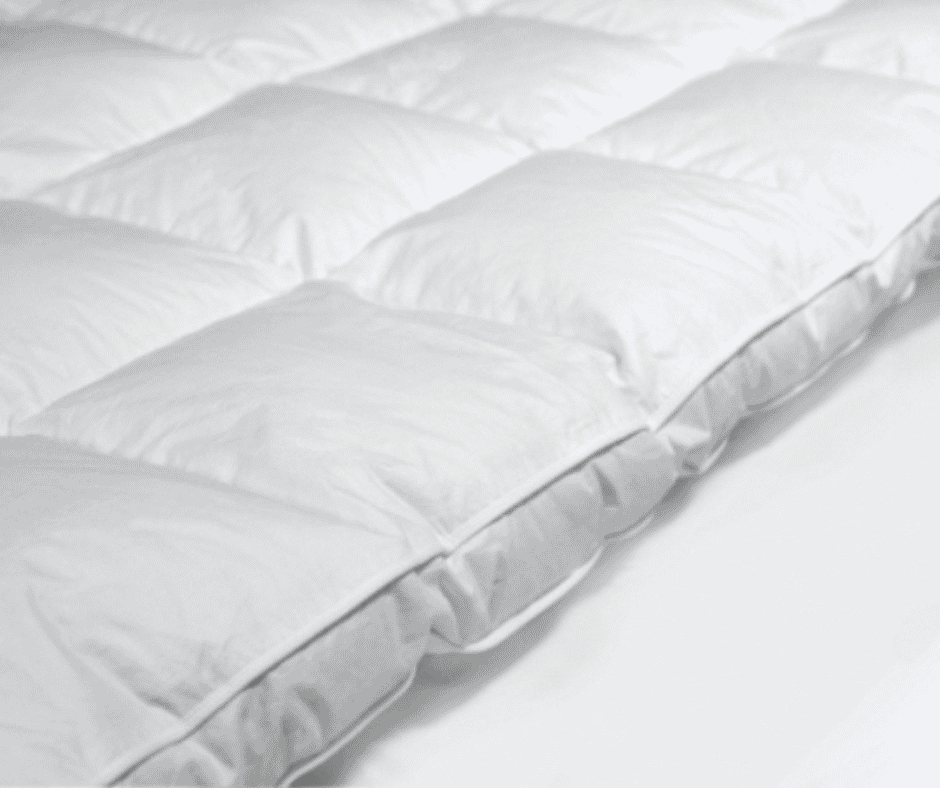
Key features to assess include loft retention, edge construction, and down-alternative options for allergy considerations. Comforters with high loft can trap heat efficiently, while cooler, breathable shells reduce overheating. Recognizing the relationship between shell material and fill helps predict durability and washability over time.
Functional benefits of a well-chosen comforter extend beyond temperature control. A properly fitted comforter adds structural balance to a bed setup, protects underlying linens, and contributes to ease of care through machine-washable designs. These attributes align with a practical approach to long-term bedding usability and maintenance.
Incorporating terms such as bedding, pillows, adjustable beds, comforters, and furniture into a cohesive understanding highlights how this category supports a comprehensive sleep system. By examining material composition, performance under daily use, and compatibility with other bedding components, users gain clarity on selecting comforters that fit personal comfort and environmental needs.
 Bedding