Foam mattresses are distinguished by their layer-driven design, where multiple foam densities work together to balance comfort, support, and pressure relief. This category highlights memory foam, polyurethane foam, and latex blends that adapt to body contours, promoting correct spinal alignment and reduced motion transfer for restless sleepers.
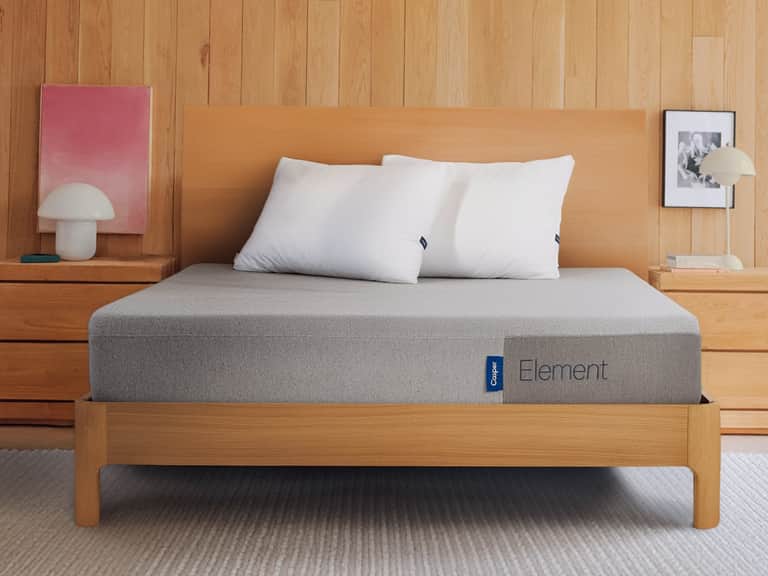
Within foam mattress constructions, the Element Mattress exemplifies core features such as contouring support, temperature regulation, and durability. Its foam layering is engineered to distribute weight evenly, minimize sagging, and provide a stable sleeping surface that adapts to varying sleeping positions throughout the night.
Key performance attributes include certifications for content safety, varied firmness options, and resilience across seasons. Foam mattresses often incorporate open-cell or gel-infused foams to enhance breathability, reducing heat buildup while maintaining comfort. Understanding density, ILD ratings, and zoning helps users select a model aligned with personal sleep needs.
In practical terms, foam mattresses support diverse uses, from fatigue relief after long days to accommodating guests or multi-use rooms. The Element Mattress specifically offers consistent pressure relief, quiet operation, and edge support that maintains usability across the full surface, making it a versatile choice for mixed sleep styles.
When evaluating foam bed options, consider factors such as cover materials, off-gassing expectations, and compatibility with adjustable foundations. Keywords like bedding, pillows, sheets, organic mattresses, and latex reflect related categories and components that influence overall comfort, hygiene, and sleep quality within this foam mattress context.
 Mattresses