Hybrid mattresses combine the pressure-relieving qualities of cushioning materials with the responsive support of an innerspring system. This construction can suit sleepers seeking a balance of contouring and lift, while allowing more airflow than some all-foam designs. Understanding the materials and support layers helps clarify how a hybrid mattress may fit individual comfort needs.
Many hybrid mattresses pair pocketed coils with foam, latex, or other comfort layers. Individually wrapped coils can respond to movement and help limit motion transfer, while the upper layers cushion the body. Mattress performance varies by materials, firmness, and construction, so these details are useful when comparing support, pressure relief, and temperature regulation.
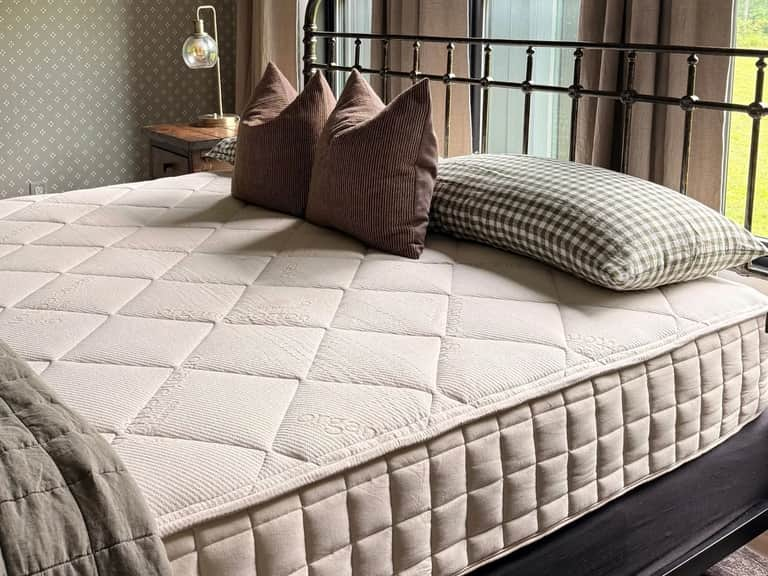
The Naturepedic Serenade Organic Hybrid Mattress combines an organic cotton cover, natural latex comfort layers, and a supportive coil system. Latex provides buoyant cushioning and responds readily to changes in position, while coils contribute structured support. Its material combination connects hybrid design with interest in organic mattresses and latex-based bedding.
Organic materials may be relevant to people evaluating the composition of their sleep environment. The Serenade’s organic cotton and latex components offer alternatives to some conventional mattress materials, while the coil support layer adds resilience. Certifications and material specifications can help explain sourcing and product characteristics; they do not, by themselves, establish a particular health outcome.
A mattress works alongside other bedding, including pillows and sheets, which can influence comfort and temperature throughout the night. Mattress dimensions, foundation compatibility, firmness, and care guidance are practical considerations when assessing a hybrid design. Comparing these factors with sleeping position and personal preferences can help readers understand the functional role of hybrid mattresses.
 Mattresses